The Living Maya
Antigua's cobblestones and ruined convents. Lake Atitlán ringed by volcanoes and Mayan villages where each town speaks its own language. Chichicastenango's market, where the highlands come to trade. This is the Guatemala that doesn't make the adventure brochures — the cultural heart that's been beating for two thousand years.
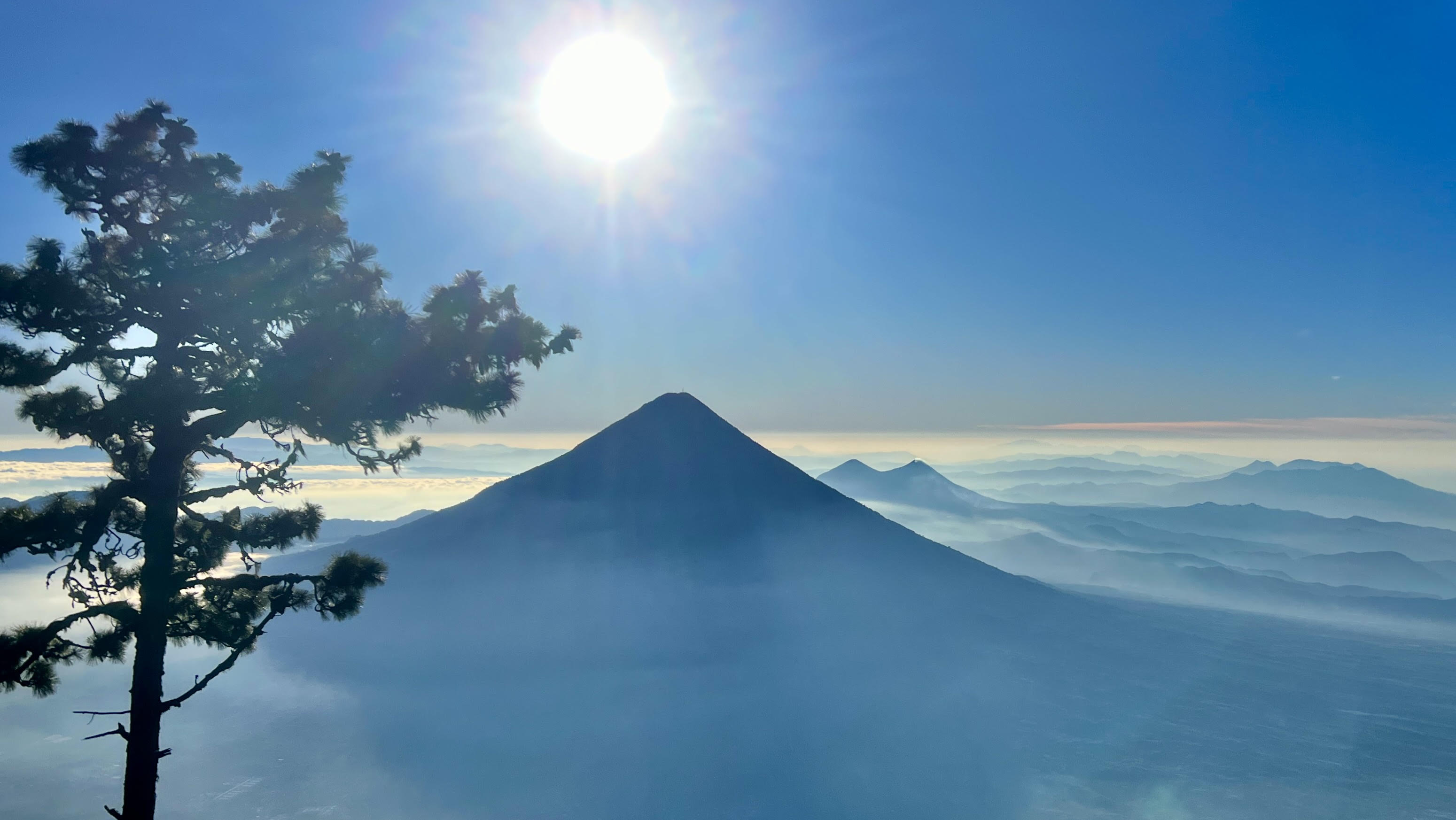
Plan this expeditionThe Guatemala highlands are where the Maya never left. In the villages around Lake Atitlán, each town speaks its own language — Tz'utujil in Santiago, Kaqchikel in San Pedro, K'iche' in the highlands above — and each has its own textiles, its own saints, its own way of making tortillas. You cross the lake by boat and the language changes before you dock. Antigua is the entry point: a colonial city frozen in time, its cobblestones worn smooth, its churches half-destroyed by earthquakes and left as ruins that are more beautiful than the originals. Three volcanoes watch over it — Agua, Fuego, Acatenango — and Fuego still erupts. Chichicastenango has the largest indigenous market in Central America: two days a week, the highlands converge here in a riot of textiles, ceramics, candles, and copal smoke. This isn't the Guatemala of volcano camping and Tikal sunrise (though those are there too). This is the other Guatemala — the one where you sit in a courtyard drinking coffee that was grown on the hill behind you, where a weaver shows you how her grandmother's patterns tell a story, and where the market vendor remembers your name from last time.
The Concierge Layer
- Boutique hotel curation in Antigua & Atitlán
- Private guide for Mayan village visits
- Textile & weaving workshop access
- Chichicastenango market day coordination
- Spanish school & homestay arrangements
- Coffee farm & roastery tours
Key Moments
Antigua at Dawn
Cobblestones, church bells, and the smell of coffee — the colonial city before the tourists wake up.
Lake Atitlán Villages
Boat across the lake to villages where each town speaks its own Mayan language and weaves its own textiles.
Chichicastenango Market
The largest indigenous market in Central America — textiles, ceramics, and copal smoke in the church.
Weaving Workshop
Sit with a Mayan weaver and learn the backstrap loom — patterns that have been passed down for generations.
Coffee Farm Tour
Walk a coffee finca from plant to cup, tasting beans grown on the volcanic slopes you're standing on.